Navigating Safely in the Backcountry: Strategies for When Trails Vanish
In the outdoors the excitement of exploring can be cut short by surprise problems especially when trails seem to vanish. Many hikers trust GPS on their phones much and feel too safe.. Just because GPS shows a path does not mean the path really exists. Old maps, wrong signs and quick changes in the land can push a hiker off course. If the trail is unclear pause and collect facts. This step is vital before night when the light fades and the weather can shift fast.
Embrace Diverse Navigation Methods
GPS apps can tell your position well but they have limits. They only show where GPS thinks you are, not the picture of the land. Steep cliffs or thick trees can make GPS show a path and lead you off the real trail. Therefore it is wise to strengthen GPS navigation with fashioned tools and methods.
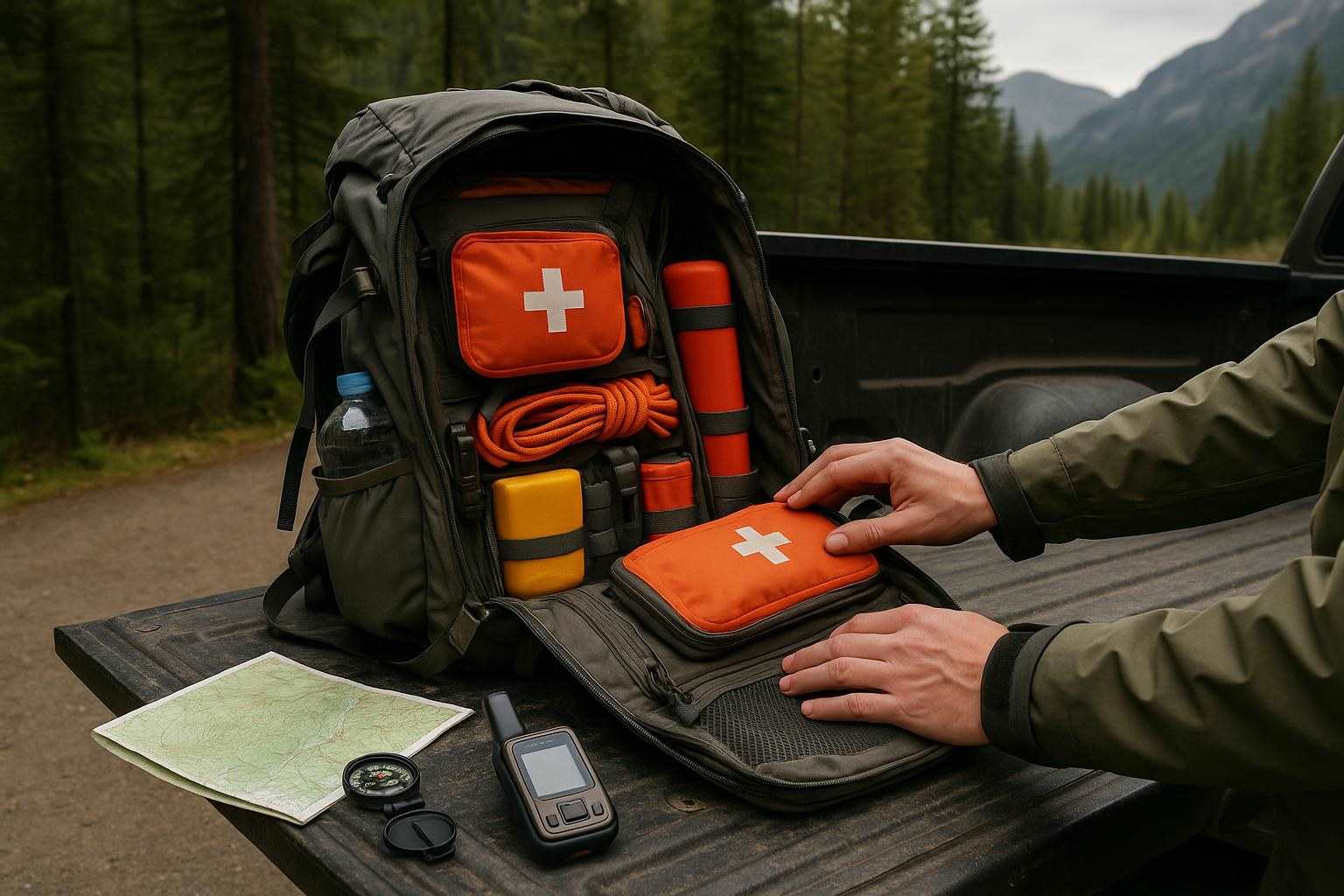
Always bring a printed topographic map and a solid compass. These tools can boost your confidence in knowing where you are. Use signs-rivers, mountain ridges or clear trail markers-to confirm your spot. Remember that a compass shows direction, not the exact position. Also be careful; some electronic gadgets can disturb the compass's reading.
Before choosing your step pause and line up the map with the land. Imagine the map's north at the top. Where you stand. If the map says north is up but you are looking elsewhere the misalignment may cause mistakes. It is better to spend time grasping the surroundings than to rush onto a trail.
The Importance of Pausing in the Wilderness
When the trail's unclear the best move may be to pause. Hurrying forward without knowledge of the land can make errors worse. If fog comes or dusk comes near it is vital to rest and rethink the situation.
– Check Your Group: Make sure every member of the party is present. Change plans to help anyone who feels pain, tiredness or injury.
– Record Your Position: Write down the known spot and the time to track your progress.
– Review Your Path: Look back to confirm the trail you walked is safe to return on. Spot places to stay away from during the search.
– Evaluate Your Situation: Match your spot with the map and compass. Think about light, weather, water and phone battery.
It is usually best to stay unless experts say otherwise. When you must move from danger such as falling rocks or rising water first find shelter. Keep warm drink water and check that gear works. Conditions can shift, making you wait longer than first expected.
Reassessing Your Route
Usually the safest spot to rebuild navigation is a landmark, like a marked trail, a bridge or a crossing. Think about what you thought you would see. Did you miss a stream. See more rivers than you thought? If the land does not match the map stop trying to find a route. Forcing a match can create confusion.
Watch the contour lines on the map. Tight lines mean ground; wide lines mean gentle slopes. A small distance on the GPS screen may look simple. Do not be fooled. In light do not rely only on the compass direction. Stick to landmarks you can see and move toward.
Relying on one GPS point can mislead the hiker. Observe GPS points over time to get a better idea of the journey. Protect gadgets from rain or wind and keep their batteries charged because losing power can endanger the hiker. Watch for clues like footprints or disturbed plants that do not match the map.
Choosing Your Steps: Prioritize Safety
When possible go back, to a known safe spot. Avoid ground, like steep slopes, wet soil or dark places that could slow the hiker's return.
In some situations patience is very helpful. When the weather looks better staying where the hikers are may be the choice. While waiting, keep the hikers warm by using the shelter that's available. Stay away from the wind and sun. Save the battery life of the device. Hold the maps and tools in a place. Watch for any signs that any member of the group's cold or tired.
Choose a return route that leads to a known landmark of taking the shortest way. Side trails, valleys or well‑maintained paths can be safer than a shortcut through unknown areas. When the situation is uncertain staying together is essential. Be ready to signal for help if the hikers require help.
Prepare Thoroughly Before Your Adventure
communication can be the lifeline when hikers are in the backcountry. Use the devices while devices still have signal and battery power to share the location the status of the group and the weather. If contact cannot be made, move to another spot only if that spot is safer.
Before setting out tell a trusted person the route that hikers plan to take the time expected for return the details of the vehicle and how the trusted person can reach the hikers. Prepare the essentials. Carry a printed map, extra clothes, food and rain protection. Download maps before going for areas that have no cell service. Learn the rules because rules can change without warning.
In the end preparedness is often more important, than technology. Taking time to pause. Assess before a decision keeps the group safe and gives many choices for navigation.